
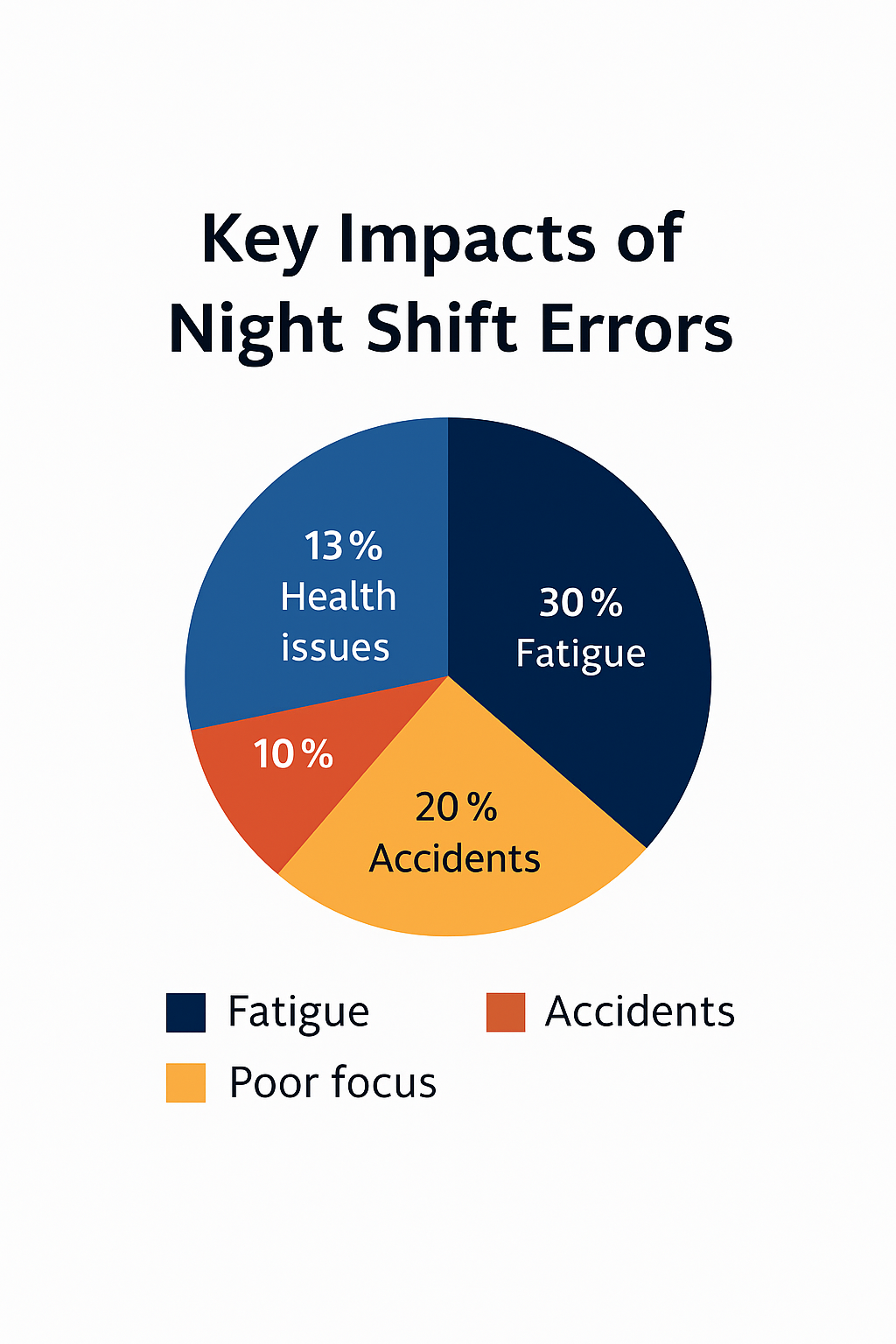
Avoid common night shift mistakes! Learn 9 tips to protect your health — Drivers who are just starting out find many difficulties in the transition from day to night shifts night shift beginner mistakes with the night shifts being the first time they deal with the harsh realities of the long-distance trucking life. Nighttime runs could be incredibly peaceful due to fewer trucks and deliveries, therefore scheduling would be much easier. But for the beginner who has never worked outside a daytime schedule, the night shift feels like a different world entirely. And that is where the most common beginner mistakes occur and thrive while working overnight hours and adapting to overnight shifts.
Night driving doesn’t only test your concentration and ability to remain vigilant; it directly impacts your health, long-term sleep schedules, and even your driver rating with a company, pushing you to maintain your rating even when the hours are tough and avoid mistakes that ruin rating. A few unprepared overnights drastically reduce your efficiency and increase your risk of accidents and the only result of all this is that you may create the impression of a rookie, who is still not dependable. That’s precisely why understanding how to manage your night shift health on night shifts is as important as any other aspect of becoming a professional driver.
The following is a detailed presentation of the nine major mistakes that rookies commit on night shifts, their causes, and how to avoid them before they ruin your image or body and affect health.
| Mistake | What Happens to the Driver | Impact on Rating / Safety |
| Not preparing sleep cycle and getting enough sleep | Fatigue, disrupted rhythm | Missed appointments, low alertness |
| Overusing caffeine | Energy crashes, poor sleep | Slower reaction time, inconsistent performance |
| Eating heavy meals instead of proper nutrition | Drowsiness, digestive overload | Reduced alertness, unsafe driving |
| Ignoring micro-rests and needed rest | Gradual fatigue, zoning out | Higher risk of lane drifting / accidents |
| Driving sleep-deprived | Microsleeps, poor decisions | Major safety violations, rating damage |
| Poor cab light/temperature setup | Eye strain, overheating | Loss of focus, avoidable errors |
| Not planning rest stops during slow shift areas | Fatigue in low-traffic zones | Inconsistent performance, delays |
| Not allowing recovery | Chronic tiredness | Long-term health issues, lower reliability |
| No routine while switching to night shift | Stress, inconsistent behavior | Unpredictable performance, lower trust |
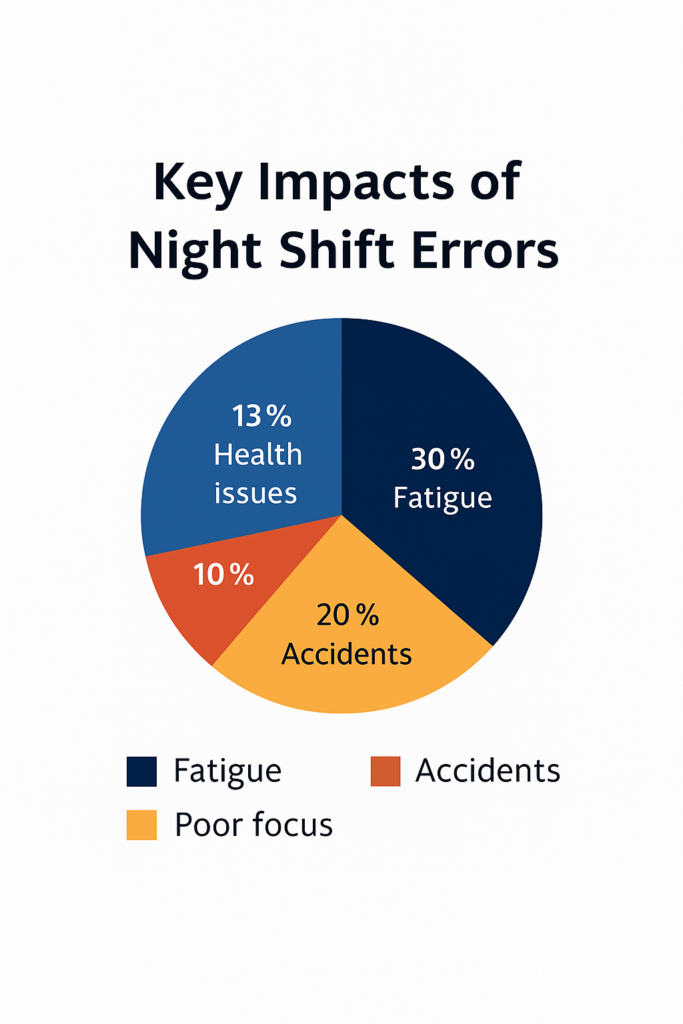
Changing from Days to Night without Preparing Your Sleep Cycle
Truck Driving at Night: ESSENTIAL TIPS
The worst rookie mistake is going on a night shift without changing sleep prior and adapting to overnight shifts.
Most rookies think that they can “get over it”, but night shift health just doesn’t follow that line.
Why it affects your rating:
Drivers without enough sleep are more likely to miss their appointments, snooze the alarms, or, on the other hand, arrive at a completely unfocused shift, which damages rating and reliability.
What to do instead:
Gradually turn your sleep schedule 2–3 hours more early when switching to night shift
Use white noise or blackout curtains to sleep better in the daytime
Keep a single consistent sleep block, not sporadic naps to support getting enough sleep
Not adapting is the best way to driving tired — a deadly mistake for novices on night shifts and one of the most dangerous beginner mistakes.
Relying on Caffeine as the One and Only Strategy to Stay Awake

Caffeine is a tool, not a solution. Newcomers often are seen drowning in coffee or energy drinks in order to get through the overnight shifts.
The problem:
Caffeine spikes make you alert for a short time but leave you more exhausted later. Also, they disrupt your ability to get sleep after the shift.
A better course of action:
- Use caffeine in the early part of your shift
- Pair coffee with food and hydration
- Avoid caffeine 4–5 hours before planned rest
This helps maintain night shift health without harming recovery or sleep.
Having Heavy Meals or Eating While on the Shift
Nutrition is one of the most underrated, hidden beginner tips for surviving night work. Heavy meals impair reaction time and contribute to sleepiness, particularly at night shifts.
What to evade:
- Big meals just before driving
- Sweets and sugary snacks
- Large fast food meals late at night
What to do instead:
- Consume light, protein-packed foods
- Snack on nuts, yogurt, and fruits
- Hydrate (dehydration = fatigue)
This keeps the level of energy high without putting your body in overdrive with the digestive process night shift health.
Disregarding Micro-Rest Opportunities
Rookies frequently blame themselves for needing to drive straight for hours to “finish the shift” common mistakes.
That’s a dangerous habit — sleepiness creeps in gradually, especially when driving in darkness with little visual stimulation driving when sleep-deprived
Healthy night shift practice:
- Take 5-10 minute breaks every 2-3 hours
- Stretch or walk for a few moments
- Stop to do some deep breathing exercises to lift your alertness
Short breaks save energy and prevent the building up of sleep pressure.
Driving When Sleep Deprived Instead of Stopping
Beginners fear that if they stop for a rest they may not look reliable or their rating will go down.
But the most appropriate companies would prefer you being a safe driver instead of an exhausted one.
Signs you should stop immediately:
- Burning or dry eyes
- Your head is drooping
- You can’t recall driving the last 5 miles
- Getting onto the wrong lane
Driving tired is worse than driving drunk. No load is worth the risk.
Incorrect Lighting and Cab Environment Setup
A good part of night shift health is cab setup which is about a comfortable and alert environment in the cab.
Common rookie mistakes:
- Bright interior lights causing eye strain
- No way to dim the dashboard brightness
- Wrong temperature (too warm = drowsy)
- Loud music that distracts instead of helping focus
Configuring the cab akin to a nighttime workspace assists in:
- Maintaining a cool temperature
- Using soft red/amber lights if needed
- Quiet or low-intensity audio
This helps reduce fatigue and eases your adaptation to overnight shifts.
Not Planning Rest Stops and “Slow Shift” Areas

Night shifts usually include slow periods — areas with few freight, lack of traffic, or long straights.
These are the moments when tiredness hits the hardest.
Prevent this rookie mistake with:
- Pre-planning stops for rest before entering long empty segments
- Keeping records of potential hazardous “sleepy zones” on your routes
- Smartly subdividing shifts between being high in focus and being low in focus
Being proactive can help you stay at safe alertness levels throughout the whole night.
The Misunderstanding of Body Needs Recovery
Night shifts need more rest than day driving due to the body being programmed to sleep at night.
Rookies usually fail to:
- Schedule an actual rest cycle
- Protect sleep time from interruptions
- Use proper sleep tools (white noise, earplugs, blackout curtains)
Insufficient recovery leads to fatigue which in turn negatively impacts your safety score and the company’s rating.
Overthinking the Shift Instead of Following a Routine
Numerous beginners, choosing a different approach on each night shift, create stress and poor rest habits.
A routine addressing uncertainty eradicates many common errors.
A decent night shift routine encompasses:
- A pre-shift wind-down
- Light meal
- Caffeine management
- Pre-drive stretching
- Planned rest points
- A strict post-shift sleep block
Your consistency strongly affects your rating — delays and tired performance come from disorganized routines and not from a lack of skill.
Final Thoughts: Protect Your Rating by Protecting Your Health
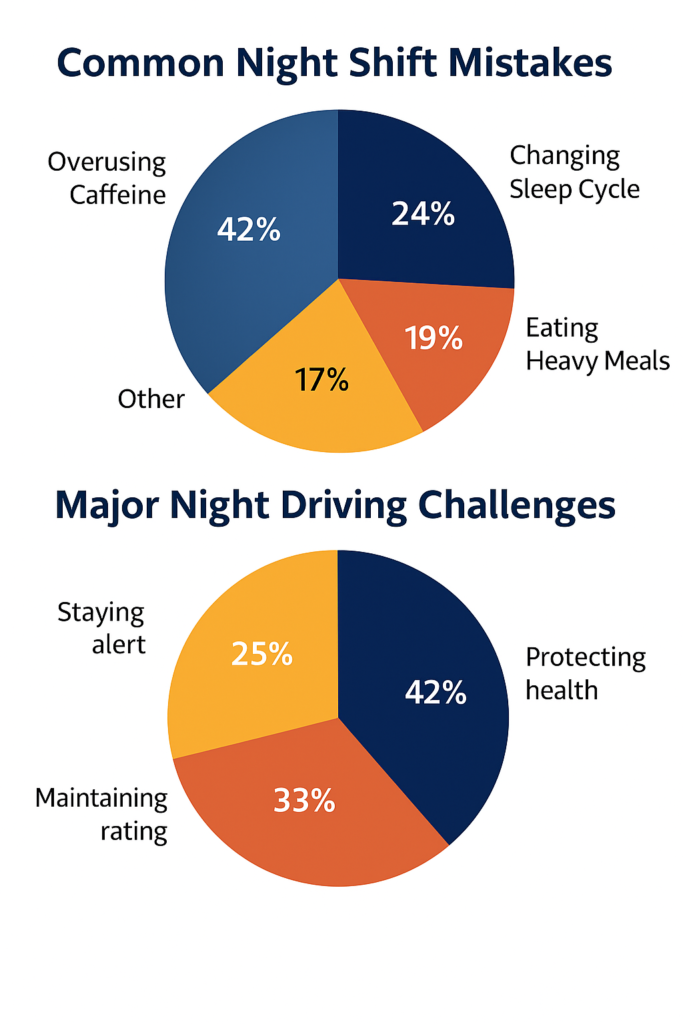
Once you understand night shift demands, you can and thrive while working overnight hours, avoid fatigue, and protect both your safety and reputation.
Night shifts are inevitable in trucking. But they don’t have to ruin your health, sleep schedule, or company rating.
If you understand the most common beginner mistakes and actively avoid them, you’ll adapt faster, feel better, drive safer, and build a strong reputation early in your career.
A night shift is not just about overcoming the darkness; it’s about energy management, smart planning, and respecting your body. Once you master that the overnight world shifts become a really easy to handle shift.
FAQ: Working at Night, Rookie Mistakes & Driver Rating
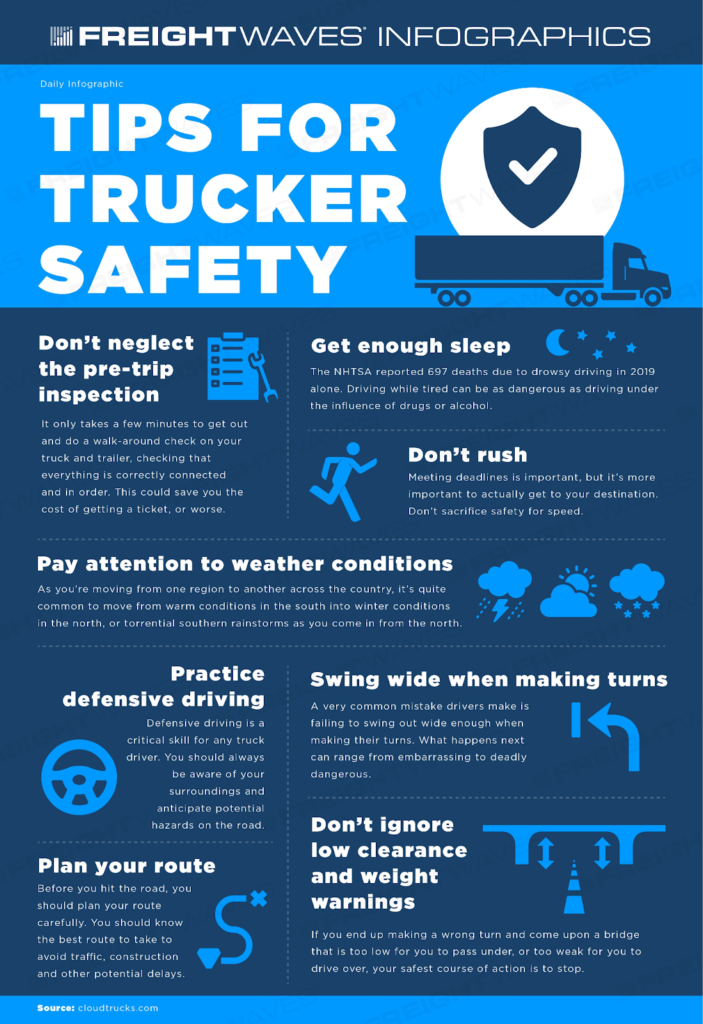
1. Why is it the case that rookie truck drivers are more likely to have problems during night shifts?
Since night shifts result in irregular sleep patterns, it makes it hard for a driver’s body to accustom to the process of transportation from day to night. Beginners that make the switch from day to night driving without any adjustment in their sleep cycle experience such problems as fatigue, slower reaction time, and higher stress — all of these lead to decreased performance and rating.
2. How can I prevent drowsiness at night while driving?
Through a combination of strategies: light, frequent meals; planned micro-rests every 2–3 hours; controlled caffeine intake; and a cool, distraction-free cab. Only relying on caffeine or “pushing through” are some of the most dangerous habits that beginners have.
3. What are the major mistakes that rookie night shift drivers usually commit?
Driving without proper sleep preparation. Most newbies think that they rely solely on the will, but in actual fact, it is the lack of sleep that causes the microsleeps, the drifting of the lanes, and the missed appointments.
4. How do large meals impact alertness during driving at night?
Big or greasy meals slow the digestion process and directly cause drowsiness. This is even more pronounced during the night when the body is naturally craving rest. Light proteins, fruits, and hydration will help you maintain even alertness.
5. When should a driver evacuate the vehicle on safety grounds immediately?
If you notice, burning eyes, head drooping, missed road memory, or the vehicle is drifting into the wrong lane — stop immediately. These are the initial symptoms of microsleep, which can turn into severe accidents in split seconds.
6. Why is cab lighting and temperature an issue so important during the nighttime?
Vivid lights are a strain on the eyes, warm air makes you sleepy, and loud music disrupts your concentration. A cool, dimmed, controlled environment keeps your brain alert during long, uncomplicated nighttime stretches.
7. In what was does planning rest stops help reduce accident rates on night shifts?
Night routes usually contain long, low-traffic “sleep zones” that drivers pass through. By planning their breaks before entering these areas, drivers will remain alert and prevent their fatigue from building up without them noticing it over time.
8. Are night shift drivers really in need of more recovery time than day drivers?
Yes. The human body is programmed to sleep at night, and thus the number of hours one sleeps during the day is less effective. On the other hand, recovery tools such as curtains that block light, earplugs, or a consistent sleeping schedule all play an important role in reducing fatigue.
9. Does a driver’s real-life chaotic routine actually reduce his/her company rating?
Absolutely. Unsteady practices lead to late departures, inadequate sleep, uneven performance, and traffic violations. A well-planned routine – before, during, and after the shift directly correlates to the reliability rating.
10. What is the quickest way for a beginner to adapt to night-shift trucking?
Gradually, shift your sleep schedule, manage caffeine, stay light on nutrition, optimize your cab, and follow a strict routine. Small habits compound to your safety, strong ratings, and long-term comfort with night driving.